Apex technical guide
Cut-edge corrosion treatment explained
What cut-edge corrosion is, why it develops on profiled metal sheeting and what a responsible refurbishment process involves.
Published by Apex Specialist Spray Coatings LTD · Updated 2026-10-16 · Our experience and preparation standards
What is cut-edge corrosion?
Cut-edge corrosion commonly develops where coated metal sheets have exposed edges, particularly at laps and gutters. Weathering and retained moisture can attack the exposed steel and cause the surrounding factory-applied finish to lift.
Assessment comes first
The extent of corrosion, condition of the sheet and surrounding coating, roof access and water paths must be assessed before a system is selected. Advanced damage may require repair or replacement rather than coating alone.
Typical preparation
Loose coating, corrosion and failed sealants are removed using methods suitable for the sheet. The area is cleaned and prepared to the coating manufacturer’s requirements before compatible primers, reinforcement or edge-treatment materials are used.
- Do not coat over loose rust or contamination
- Treat laps and fixings as part of the wider roof condition
- Follow the specified film build and curing requirements
Protecting the completed repair
The finished edge treatment must integrate with the wider roof or cladding system. Regular inspection and maintenance help identify new defects before they spread beneath the existing finish.
Signs to photograph before requesting an assessment
Useful photographs show the whole elevation or roof area as well as close views of rust staining, lifting coating at sheet ends, overlaps and fixings. Record where water is entering and whether gutters overflow. The position of the symptom helps the inspection; a photograph alone cannot establish remaining metal thickness or hidden damage.
Arrange roof inspection through a competent team using suitable safe access. Do not climb onto roof sheets to obtain enquiry photographs. Ground-level photographs and existing drawings are useful starting points.
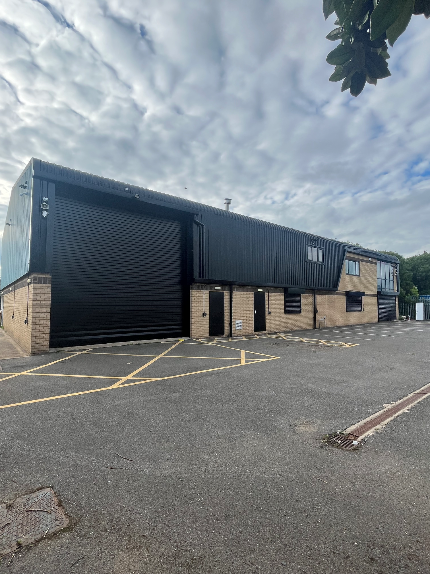
Real Apex work: the Newark veterinary practice
The Newark exterior refurbishment included corrosion at exposed cladding cut edges, damaged panels and deteriorated coatings. Apex cleaned and degreased the building, mechanically prepared the corroded edges and applied rust-conversion and corrosion-protection treatment. The saved project specification records 2K epoxy primer and Selemix Direct 2K polyurethane, with the exterior finished in RAL 9005 Jet Black.
This is an example of treatment within a wider refurbishment. It does not mean that every corroded roof needs that same system: sheet condition, water paths and the selected manufacturer’s specification must determine the repair.
Questions to settle before work begins
A clear scope distinguishes cosmetic colour change from corrosion treatment, leak repair and sheet replacement. Ask how laps, fixings and failed sealants will be assessed, what preparation is required and how the edge treatment connects to the surrounding coating. A topcoat alone cannot make severely weakened or perforated metal serviceable.